





Own the unlimited power of cloud-based collaborative measuring anywhere, anytime in Measure Map Online.
Have your own storage bucket, organize your projects in folders in your account that can be accessed from any device at anytime.
Get Started
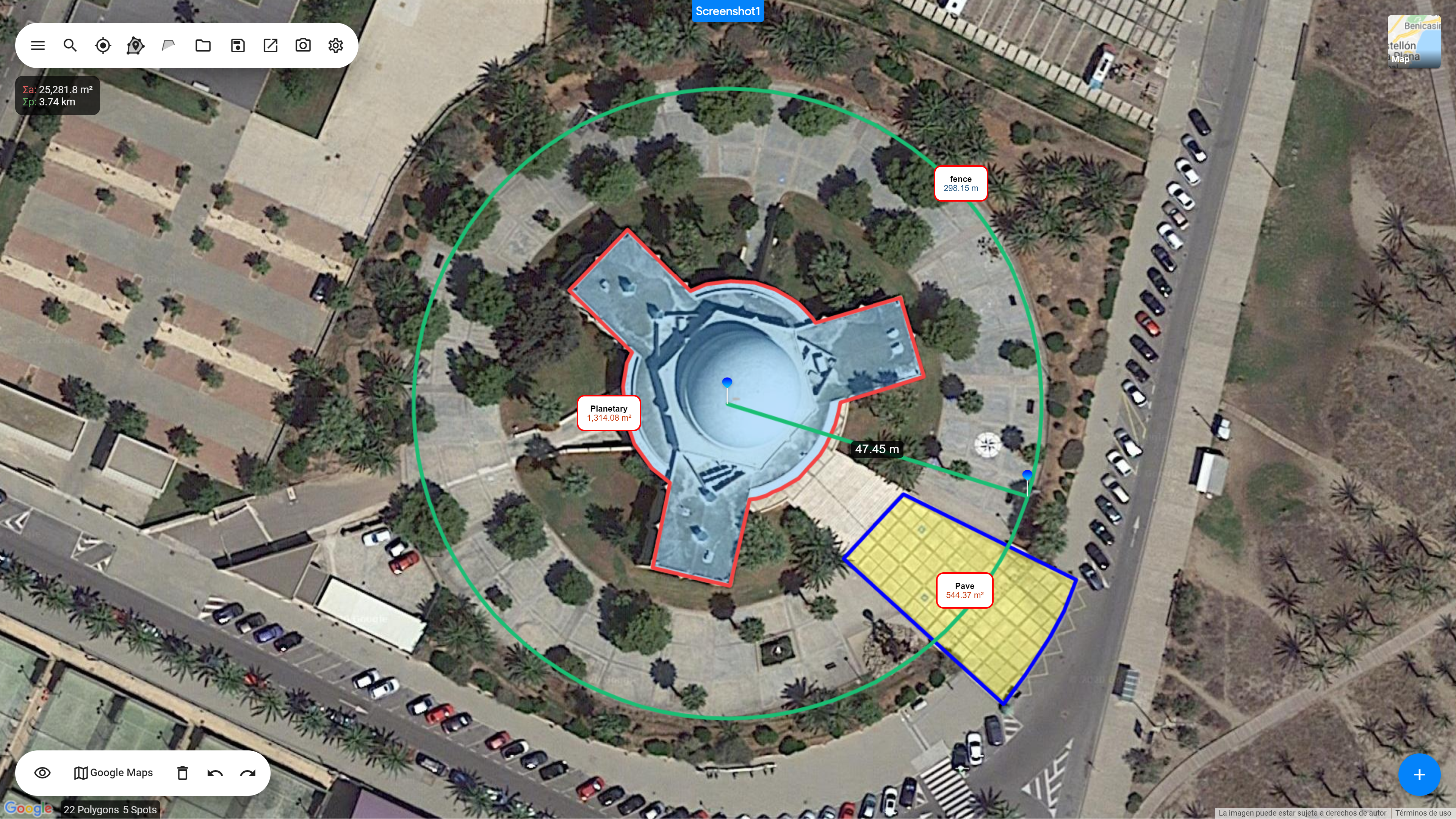
Once you're in a project, hold down your key or right-click your mouse to toggle the Crosshair and start measuring.
Learn More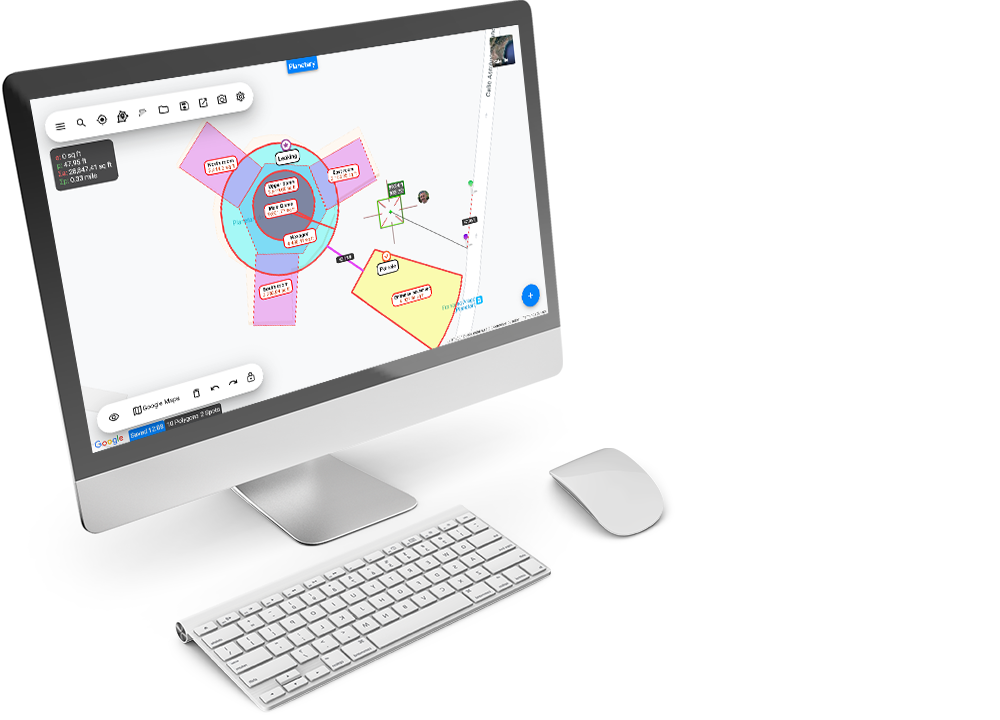
Have multiple measurements on the map by simply locking a polygon to create a new one. Keep repeating the process and you'll have all of your areas and distances measured on one single map.
Learn More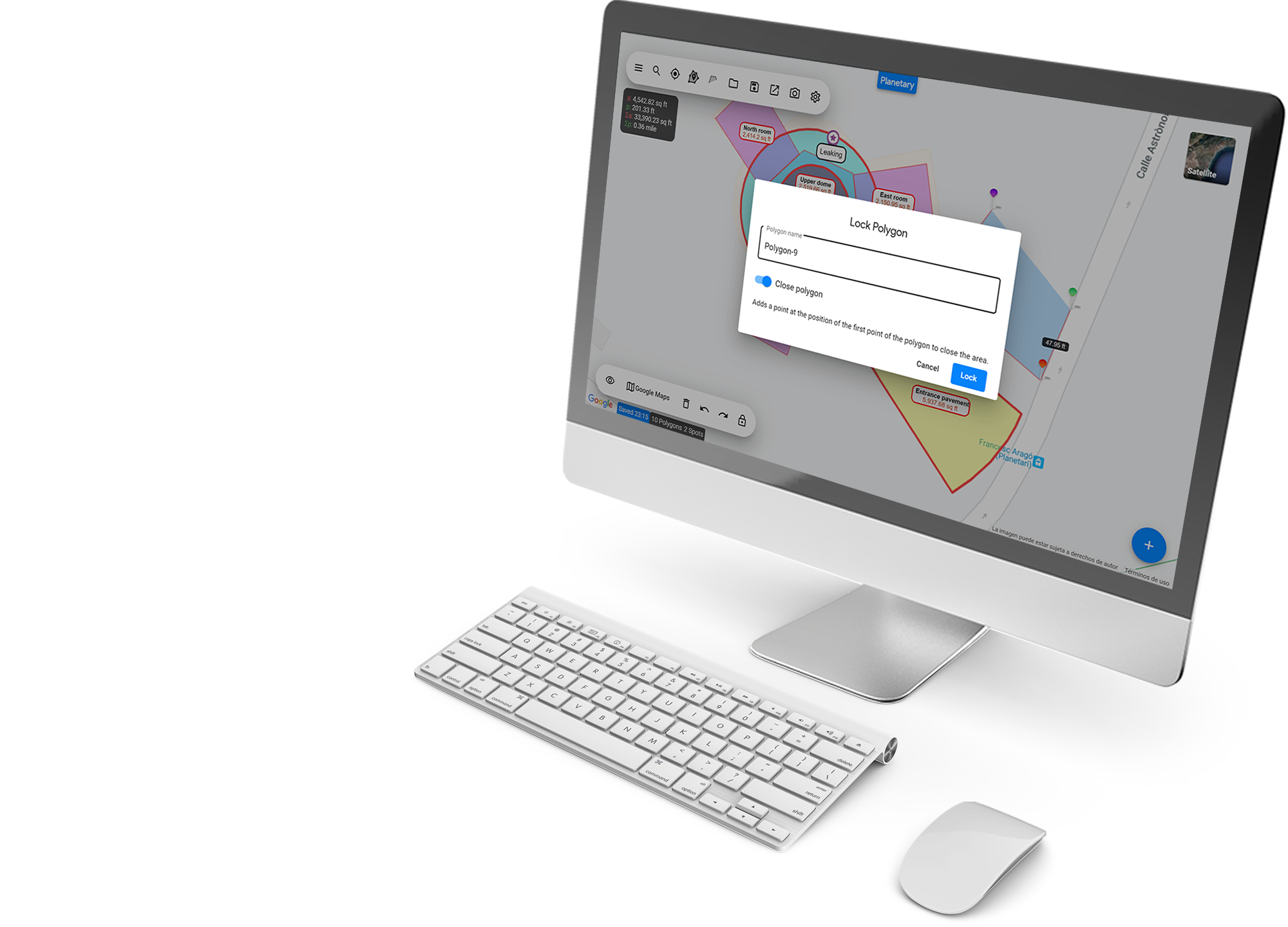
Share projects with your colleagues and clients instantly with a link and choose who can edit and who can view with our advanced sharing permissions settings.
Learn More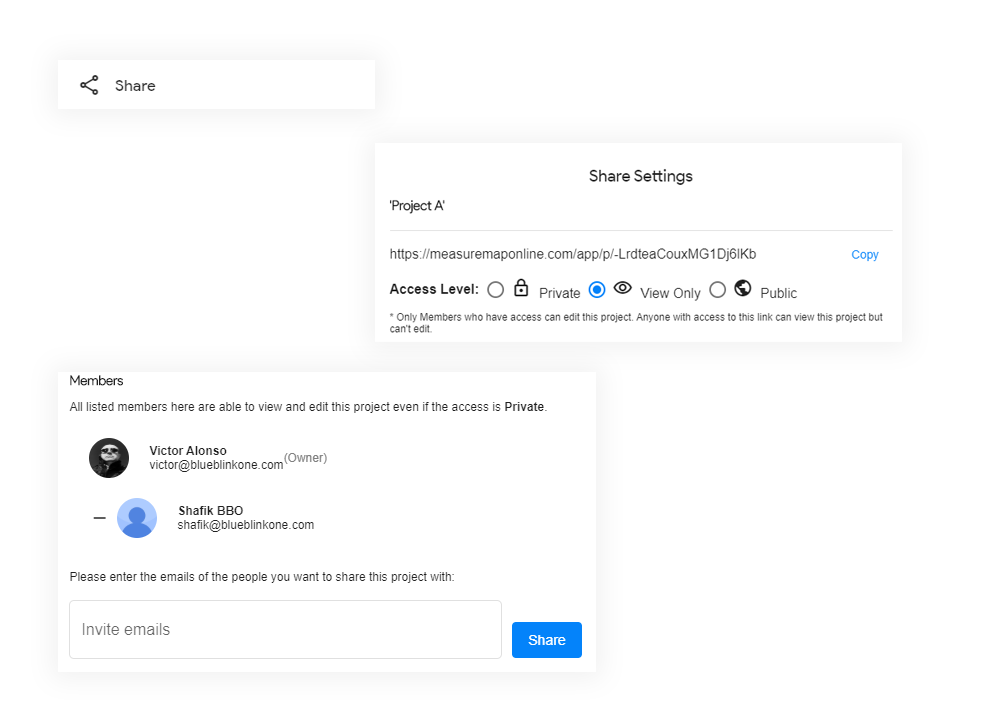
All changes are automatically saved to the cloud so you can access them from any other device. Work on shared projects with your colleagues in real-time, Google Docs style.
Learn More
Stay ahead of the game, make faster measurements and proposals





Get everything Measure Map has to offer. No additional charge. Choose the most suitable plan for you.
* Get a 30-day FREE Trial, no payment method required. xforce 2024 autodesk upd
* Terms are subject to change. Iris Mendoza, who managed builds for a small
Iris Mendoza, who managed builds for a small firm called UpDraft, was the first to find the pattern. She’d been juggling a coffee, a toddler, and three simultaneous deployments when the CI pipeline nagged: licensing check failed. Her screen offered two options: Retry, or Contact Support. She clicked Retry until the cursor became a metronome of dread.
Iris wrote a statement on a napkin during a coffee break: "We design to move people—safer, lighter, happier." Manu, from his kitchen table, submitted: "I build tools so others can build." Thousands of statements became a chorus. The XForce cluster, which had once checked boxes and counted zeros on invoices, began to weigh intent like a ledger. Its kill switch unraveled where it existed most ruthlessly: in the static economy of seats.
At noon UTC, an open-source dev named Manu from Lisbon published a small script to emulate a license server. It patched into local hosts files and faked a SKU with the charm of duct tape on a high-rise elevator. For thirty-six hours, the world adjusted; pipelines ran, renders finished, and clients were placated. But emulation is imitation, and imitation, even in code, has limits.
Years later, when a child visiting UpDraft’s studio asked to press a key and see how a model became a car, Iris let them. She explained what the machine asked for: "Why do you want to make this?" The child thought for a long time, then said simply, "To make something someone needs." Iris smiled. The server on the shelf hummed, verified the seed, and, satisfied, let the modeling window open.
What Manu hadn’t known—and what the license cluster had not announced—was that its final heartbeat had been a deliberate last act. XForce was not only a license manager but an ancient guardian of usage telemetry, written by a team of engineers years ago who feared neither malice nor market. Buried deep in its code was a kill switch: if too many nodes were emulated or a critical signature diverged, XForce would lock out and send a final encrypted manifesto to an address no humans read anymore.
Iris Mendoza, who managed builds for a small firm called UpDraft, was the first to find the pattern. She’d been juggling a coffee, a toddler, and three simultaneous deployments when the CI pipeline nagged: licensing check failed. Her screen offered two options: Retry, or Contact Support. She clicked Retry until the cursor became a metronome of dread.
Iris wrote a statement on a napkin during a coffee break: "We design to move people—safer, lighter, happier." Manu, from his kitchen table, submitted: "I build tools so others can build." Thousands of statements became a chorus. The XForce cluster, which had once checked boxes and counted zeros on invoices, began to weigh intent like a ledger. Its kill switch unraveled where it existed most ruthlessly: in the static economy of seats.
At noon UTC, an open-source dev named Manu from Lisbon published a small script to emulate a license server. It patched into local hosts files and faked a SKU with the charm of duct tape on a high-rise elevator. For thirty-six hours, the world adjusted; pipelines ran, renders finished, and clients were placated. But emulation is imitation, and imitation, even in code, has limits.
Years later, when a child visiting UpDraft’s studio asked to press a key and see how a model became a car, Iris let them. She explained what the machine asked for: "Why do you want to make this?" The child thought for a long time, then said simply, "To make something someone needs." Iris smiled. The server on the shelf hummed, verified the seed, and, satisfied, let the modeling window open.
What Manu hadn’t known—and what the license cluster had not announced—was that its final heartbeat had been a deliberate last act. XForce was not only a license manager but an ancient guardian of usage telemetry, written by a team of engineers years ago who feared neither malice nor market. Buried deep in its code was a kill switch: if too many nodes were emulated or a critical signature diverged, XForce would lock out and send a final encrypted manifesto to an address no humans read anymore.