We’ve a solid background in using hardware and we love it. But the journey to software offers unrivaled flexibility and ease of use.
Be on that journey with the experts you can trust.
Get started
For remote contributions, outside broadcasts and more.
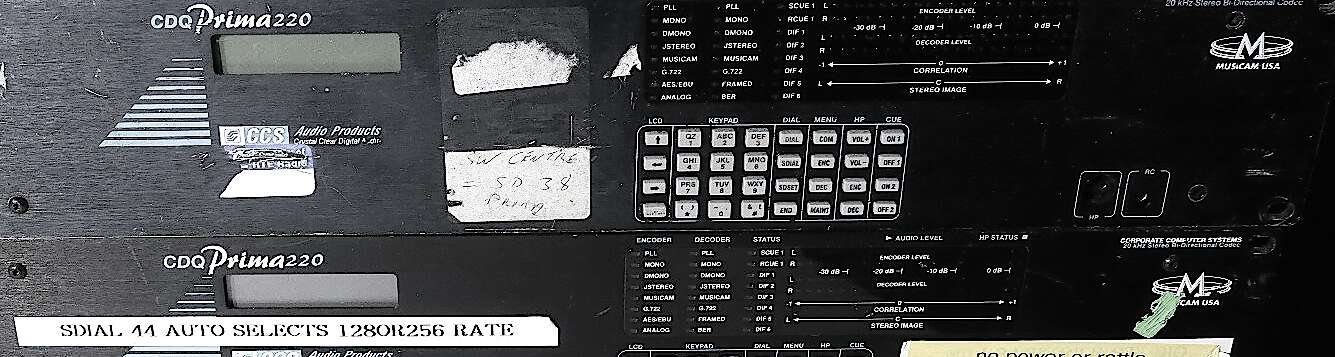
We’ve a solid background in using hardware and we love it. But the journey to software offers unrivaled flexibility and ease of use.
Be on that journey with the experts you can trust.
Get started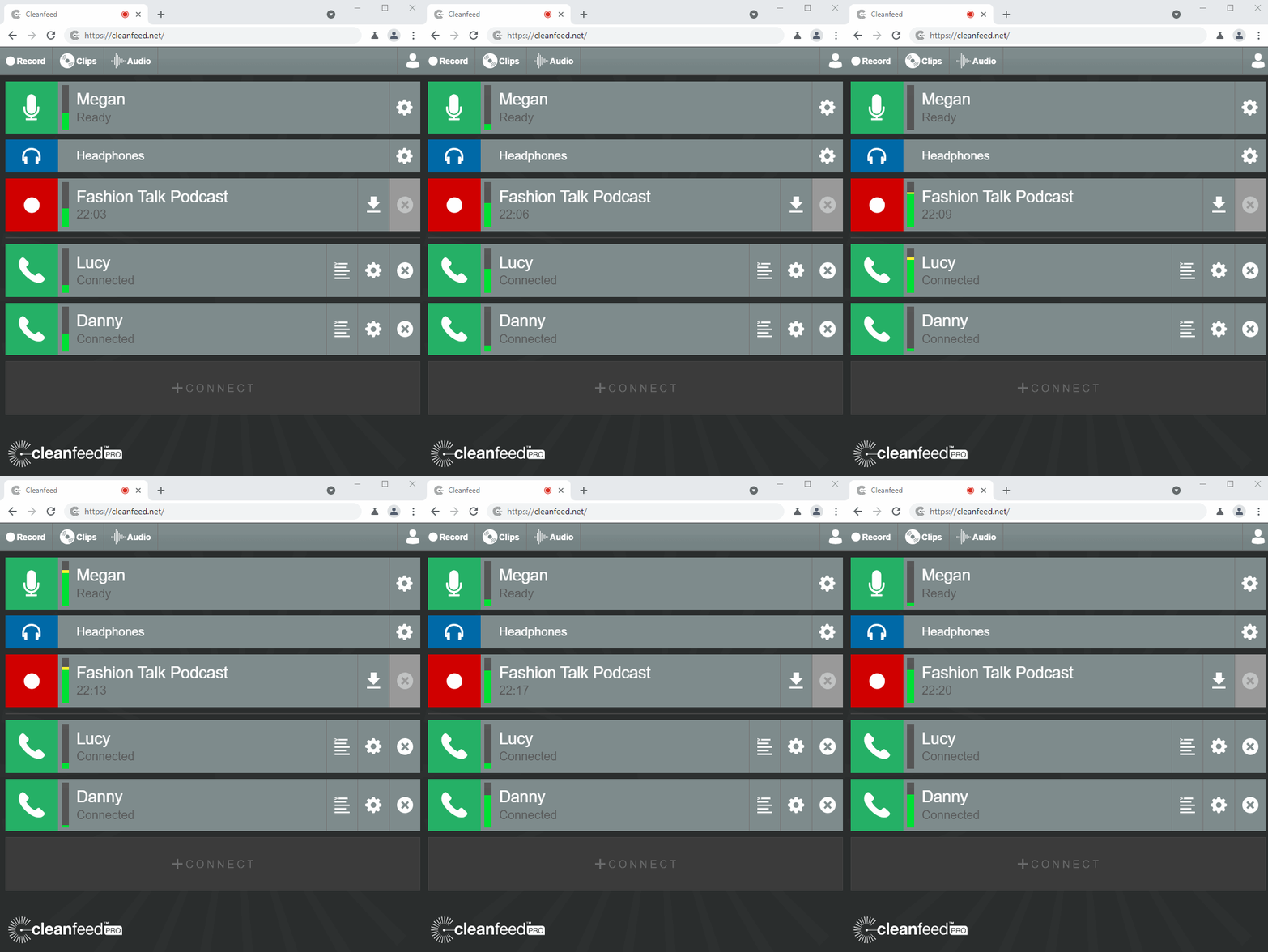
This speaks to broader trends in UX: attention is currency. Designers craft small motions to guide, delight, and monetize attention. Motion is used to reduce cognitive load (transitioning state smoothly), to communicate affordances (a button that subtly hops), and to signal urgency (a "hot" badge, a glowing border). So a URL with those tokens is not merely technical; it's the fingerprint of a design choice oriented toward immediacy. What the web labels as "hot" is always socially negotiated. Algorithms promote what receives early engagement; curators highlight what's topical; interfaces add badges to amplify interest. A viewer frame carrying "hot" may be an artifact of that amplification loop: an auto-updating feed, a live-stream slot, or a promoted clip. The language captures the lifecycle of content in attention economies — from niche to viral, from quiet frame to hot player.
It also prompts a small ethical query: what are we consenting to when we slip into "viewerframe mode"? Are we passive spectators, active participants, or manipulated observers? The labels lurking in URLs are not just technical; they are the labels of how we choose to be seen and what we allow to move us. "Inurl viewerframe mode motion hot" is both a technical artifact and a poetic prompt. It names a class of web phenomena — embedded motion-rich viewers marked as trending — and also invites reflection on attention design, discoverability, and the cultural dynamics that make something "hot." Whether read by a developer hunting endpoints, a designer optimizing an autoplay thumbnail, or a thinker pondering modern perception, the phrase opens a doorway into how motion, framing, and popularity shape what reaches our eyes.
From a policy perspective, labels like "hot" also matter. If "hot" equals prominence, then platforms need transparent signals about why content gets promoted. Is it quality, engagement, or simply algorithmic quirks? Understanding the metadata that accompanies embeds helps civil society and regulators ask better questions about curation and amplification. Finally, read metaphorically, the phrase evokes the human condition in an age of mediated perception. We live in viewerframes — panels and displays through which motion and heat get translated into meaning. The "mode" we inhabit can be livestream, feed, or highlight reel. "Motion" is life unfolding in snippets; "hot" is what we chase or fear missing. The phrase is a compact image of contemporary attention: framed, configured, animated, amplified.
This dynamic also changes how creators work. Anticipating the framing, they design hooks that register quickly in small, animated spaces: a thumbnail with motion, a headline timed to scroll past, an opening frame that encodes the promise of payoff. The "viewerframe mode motion hot" combination, then, is shorthand for a particular tactic of modern digital communication: fast, visible, and optimized for immediate consumption. The same tokens that make content discoverable can create exposure. Publicly accessible viewer frames sometimes leak embedded content that was intended to stay private — preview loaders, CDN-hosted frames, or temporary share URLs with identifiable tokens. The terms in the phrase act as a reminder that the web’s modular architecture creates seams: points where configuration names and states become readable metadata. Those seams are not inherently bad, but they require deliberate governance: proper access controls, short-lived tokens, and mindful indexing rules to prevent accidental discovery.
This technical reading reveals how modern sites are composed of named pieces, each leaving semantic traces in their URLs. Those traces are useful: they tell us about architecture, reveal potential oversight in access controls, and map the evolution of interfaces — from static pages to modular, stateful components. Beyond the forensic lens, the phrase suggests aesthetics. A "viewerframe" is a frame for looking — an invitation to gaze. "Mode motion" implies the frame is not passive but animated; it shifts, plays, responds. Add "hot" and you have content designed to catch the eye: rapid cuts, heat-map gradients, pulsing thumbnails. The embedded viewer transforms a page into a stage where motion is foregrounded: autoplaying previews, animated thumbnails, and micro-interactions that tease content before a click.
Our no-cost option is great for hobbyists and new podcasters
For serious productions that care about audio
US$23 monthly $23 monthly £13 monthly €17 monthly with discount, see eligibility. Prices ex. VAT.
Join the prestigious organizations organisations with an Enterprise license

Take your production to the next level with the full features of Cleanfeed Pro.
Starts at US$23 per month for personal use.
Priced at US$12 per month.
Starts at $23 per month for personal use.
Starts at £17 per month for personal use.
Starts at €17 per month for personal use.
1 month minimum.
See our pricing and upgrade within the
app.
Everyone in a separate track, perfectly in sync, no drift. Instant zip files, open in your favourite audio editor.
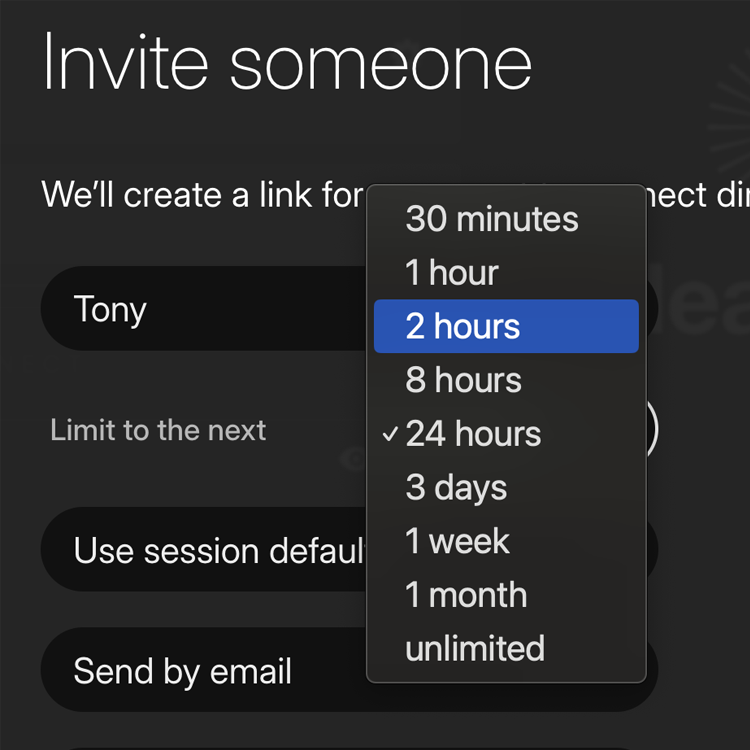
Personalized Personalised invites and notification settings. Keep control of who can join a session, when and how.
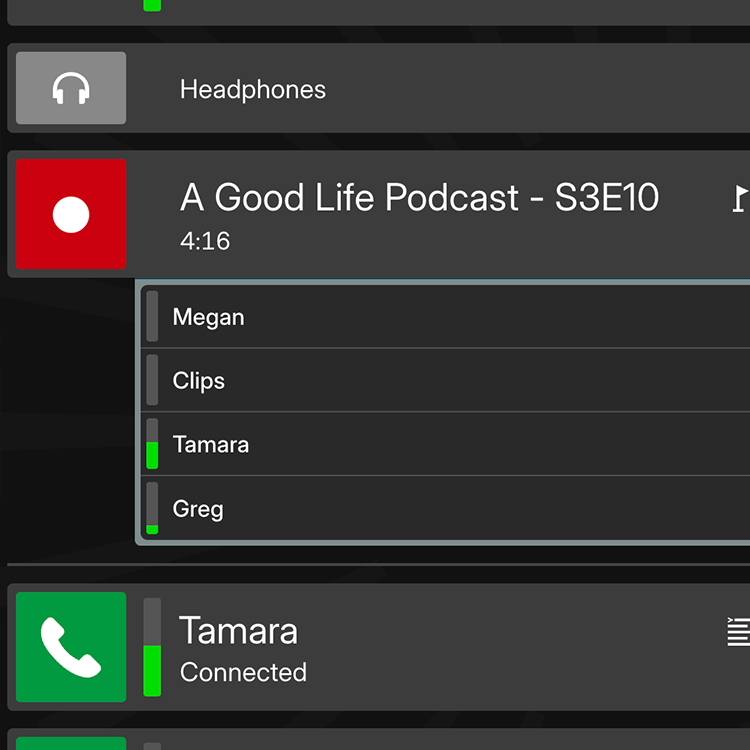
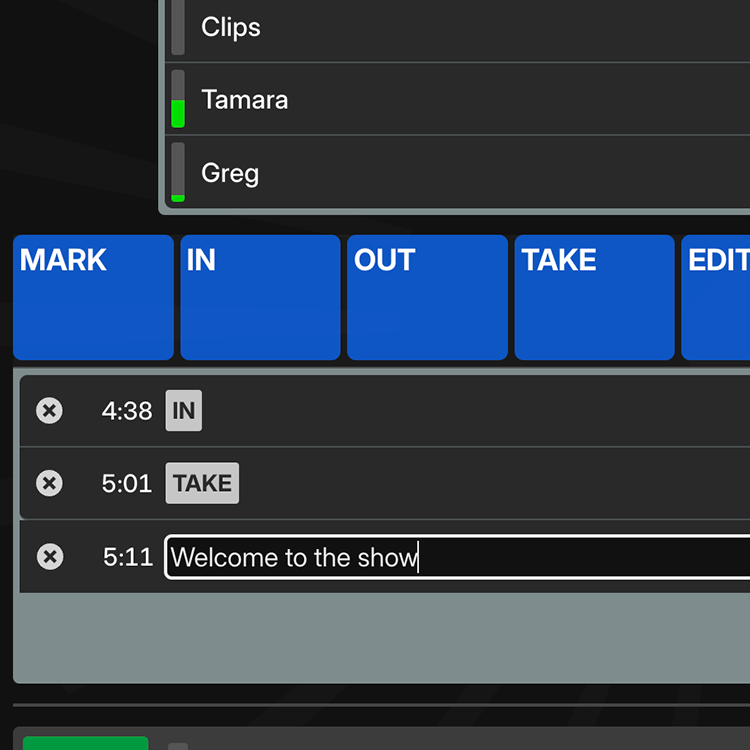
Distraction-free labelling with timestamps during recording.
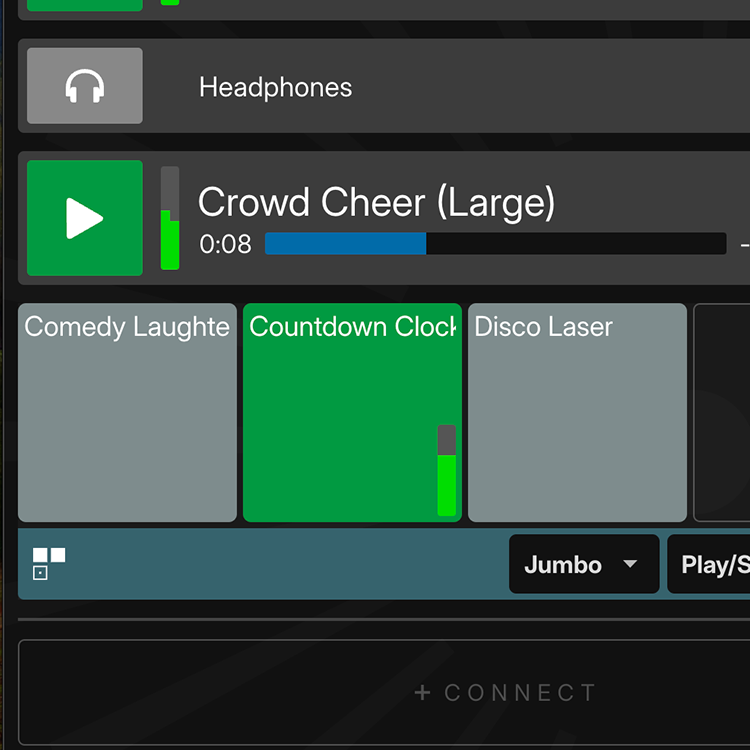
Intro, idents, jingles, beds. Playback audio live and it’s recorded, too.
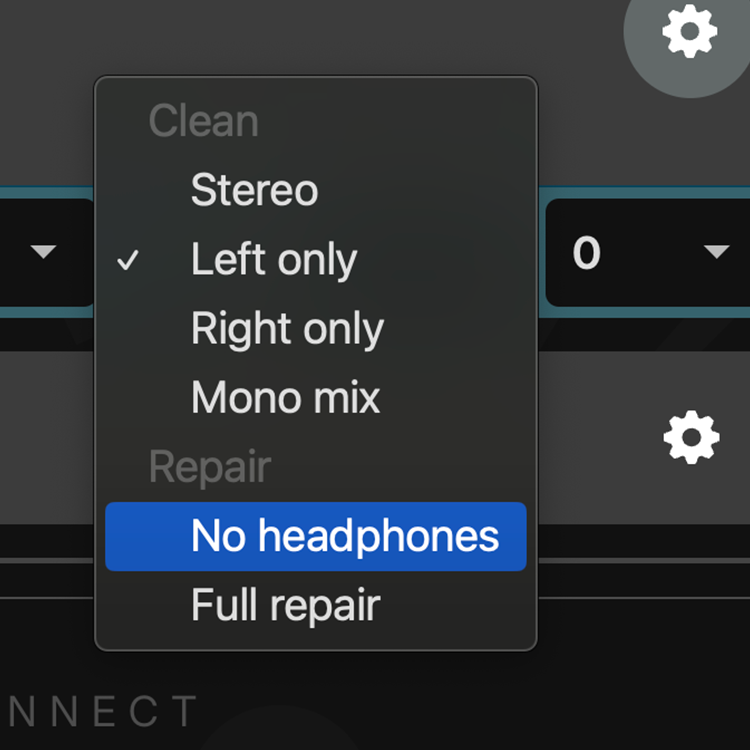
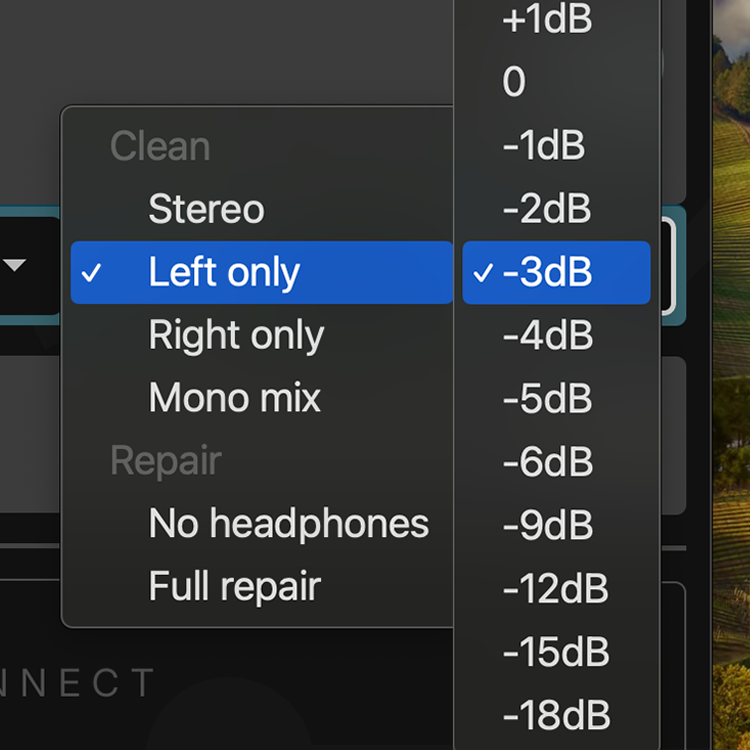
Headphones just out of reach? We always recommend them, but fix up audio live for only those guests who need it.
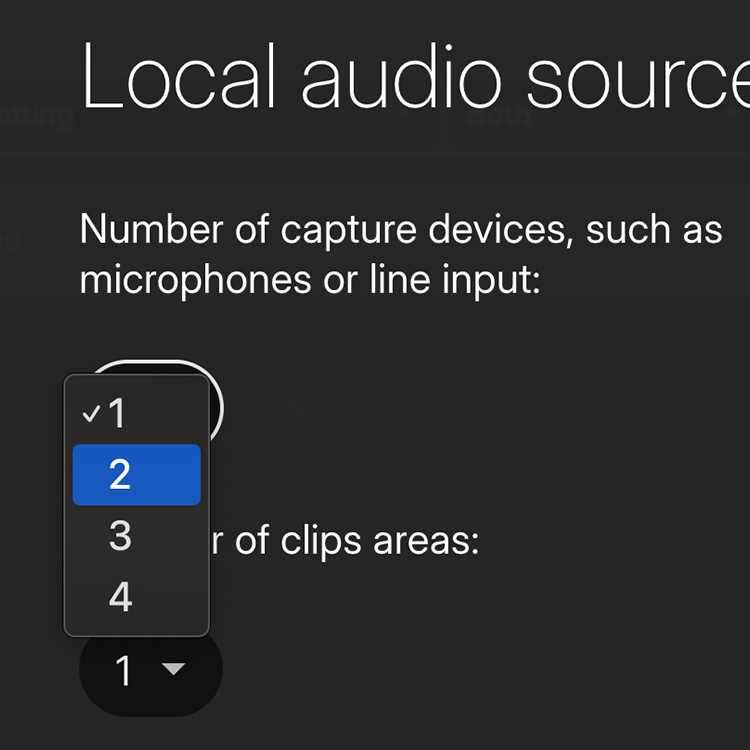
An extra USB mic, a mixer, and more. Connect up to four local devices and record them to separate tracks.
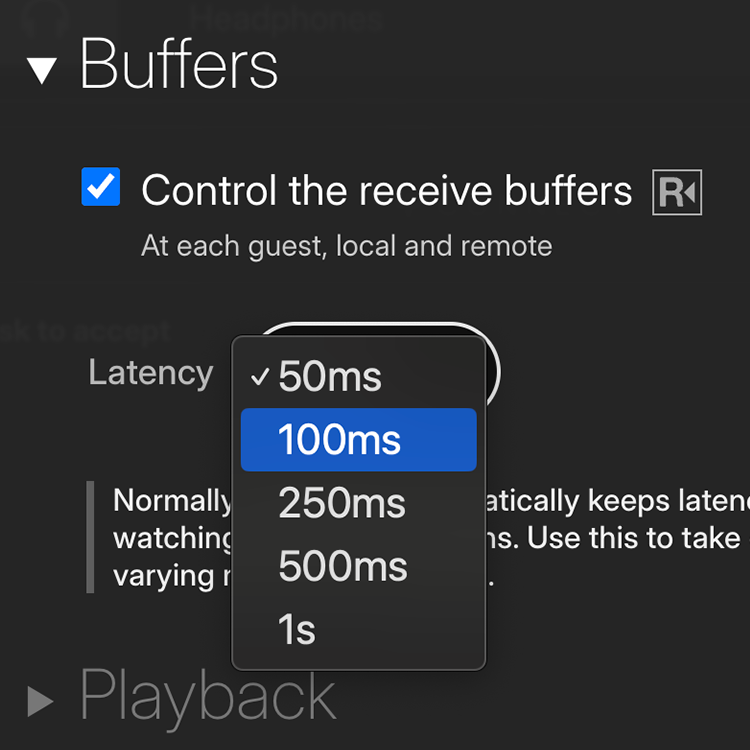
Ensure the highest quality audio all the time. Buffers ensure that connections are fully smoothed out.
Adjust levels and get great results, live. Save time in post-production later.
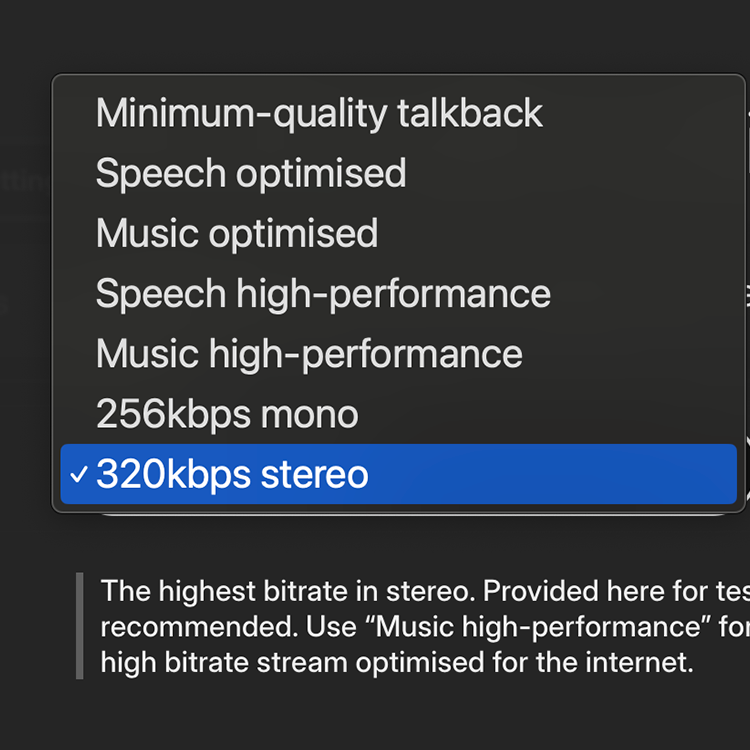
Need to turn the dial to 11? Up to 256kbps mono or 320kbps stereo or High performance modes for more bits and less latency.
Get an isolated audio output for each guest to route audio wherever you want.

This speaks to broader trends in UX: attention is currency. Designers craft small motions to guide, delight, and monetize attention. Motion is used to reduce cognitive load (transitioning state smoothly), to communicate affordances (a button that subtly hops), and to signal urgency (a "hot" badge, a glowing border). So a URL with those tokens is not merely technical; it's the fingerprint of a design choice oriented toward immediacy. What the web labels as "hot" is always socially negotiated. Algorithms promote what receives early engagement; curators highlight what's topical; interfaces add badges to amplify interest. A viewer frame carrying "hot" may be an artifact of that amplification loop: an auto-updating feed, a live-stream slot, or a promoted clip. The language captures the lifecycle of content in attention economies — from niche to viral, from quiet frame to hot player.
It also prompts a small ethical query: what are we consenting to when we slip into "viewerframe mode"? Are we passive spectators, active participants, or manipulated observers? The labels lurking in URLs are not just technical; they are the labels of how we choose to be seen and what we allow to move us. "Inurl viewerframe mode motion hot" is both a technical artifact and a poetic prompt. It names a class of web phenomena — embedded motion-rich viewers marked as trending — and also invites reflection on attention design, discoverability, and the cultural dynamics that make something "hot." Whether read by a developer hunting endpoints, a designer optimizing an autoplay thumbnail, or a thinker pondering modern perception, the phrase opens a doorway into how motion, framing, and popularity shape what reaches our eyes. inurl viewerframe mode motion hot
From a policy perspective, labels like "hot" also matter. If "hot" equals prominence, then platforms need transparent signals about why content gets promoted. Is it quality, engagement, or simply algorithmic quirks? Understanding the metadata that accompanies embeds helps civil society and regulators ask better questions about curation and amplification. Finally, read metaphorically, the phrase evokes the human condition in an age of mediated perception. We live in viewerframes — panels and displays through which motion and heat get translated into meaning. The "mode" we inhabit can be livestream, feed, or highlight reel. "Motion" is life unfolding in snippets; "hot" is what we chase or fear missing. The phrase is a compact image of contemporary attention: framed, configured, animated, amplified. This speaks to broader trends in UX: attention is currency
This dynamic also changes how creators work. Anticipating the framing, they design hooks that register quickly in small, animated spaces: a thumbnail with motion, a headline timed to scroll past, an opening frame that encodes the promise of payoff. The "viewerframe mode motion hot" combination, then, is shorthand for a particular tactic of modern digital communication: fast, visible, and optimized for immediate consumption. The same tokens that make content discoverable can create exposure. Publicly accessible viewer frames sometimes leak embedded content that was intended to stay private — preview loaders, CDN-hosted frames, or temporary share URLs with identifiable tokens. The terms in the phrase act as a reminder that the web’s modular architecture creates seams: points where configuration names and states become readable metadata. Those seams are not inherently bad, but they require deliberate governance: proper access controls, short-lived tokens, and mindful indexing rules to prevent accidental discovery. So a URL with those tokens is not
This technical reading reveals how modern sites are composed of named pieces, each leaving semantic traces in their URLs. Those traces are useful: they tell us about architecture, reveal potential oversight in access controls, and map the evolution of interfaces — from static pages to modular, stateful components. Beyond the forensic lens, the phrase suggests aesthetics. A "viewerframe" is a frame for looking — an invitation to gaze. "Mode motion" implies the frame is not passive but animated; it shifts, plays, responds. Add "hot" and you have content designed to catch the eye: rapid cuts, heat-map gradients, pulsing thumbnails. The embedded viewer transforms a page into a stage where motion is foregrounded: autoplaying previews, animated thumbnails, and micro-interactions that tease content before a click.