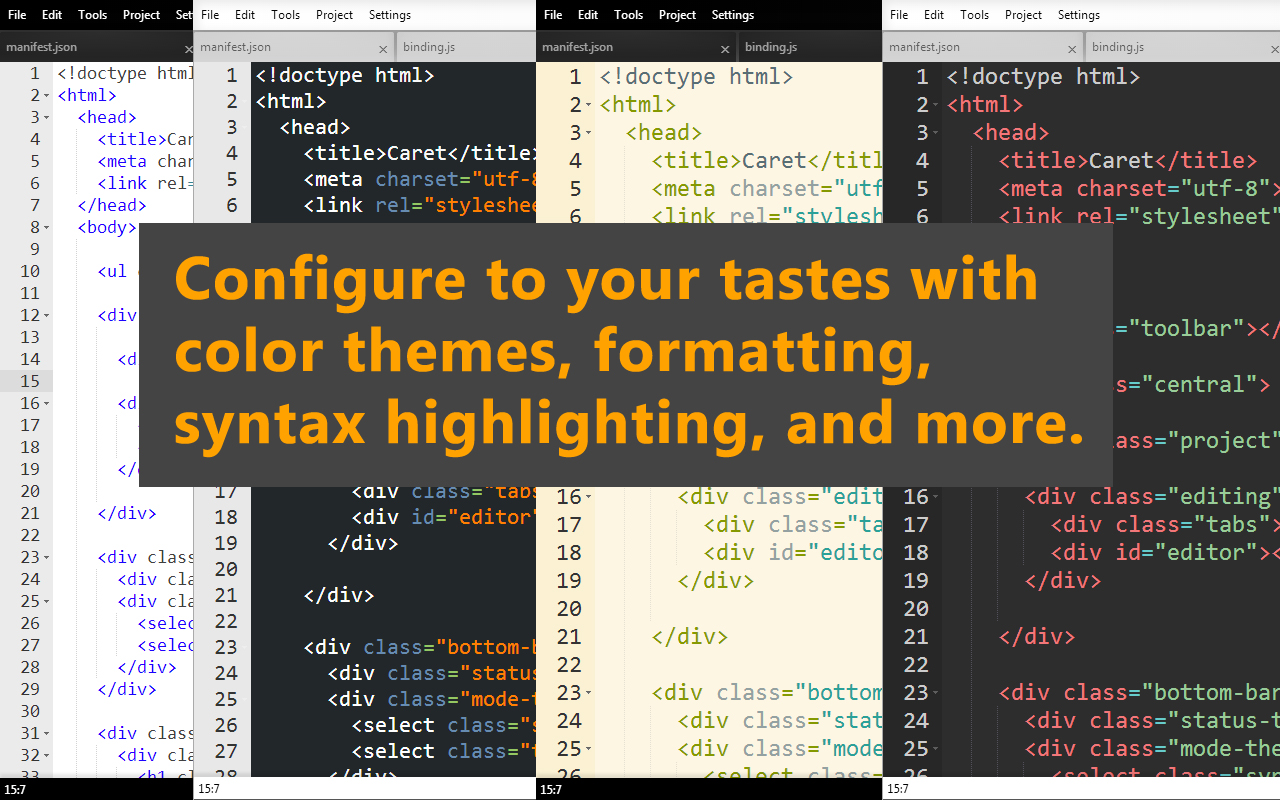
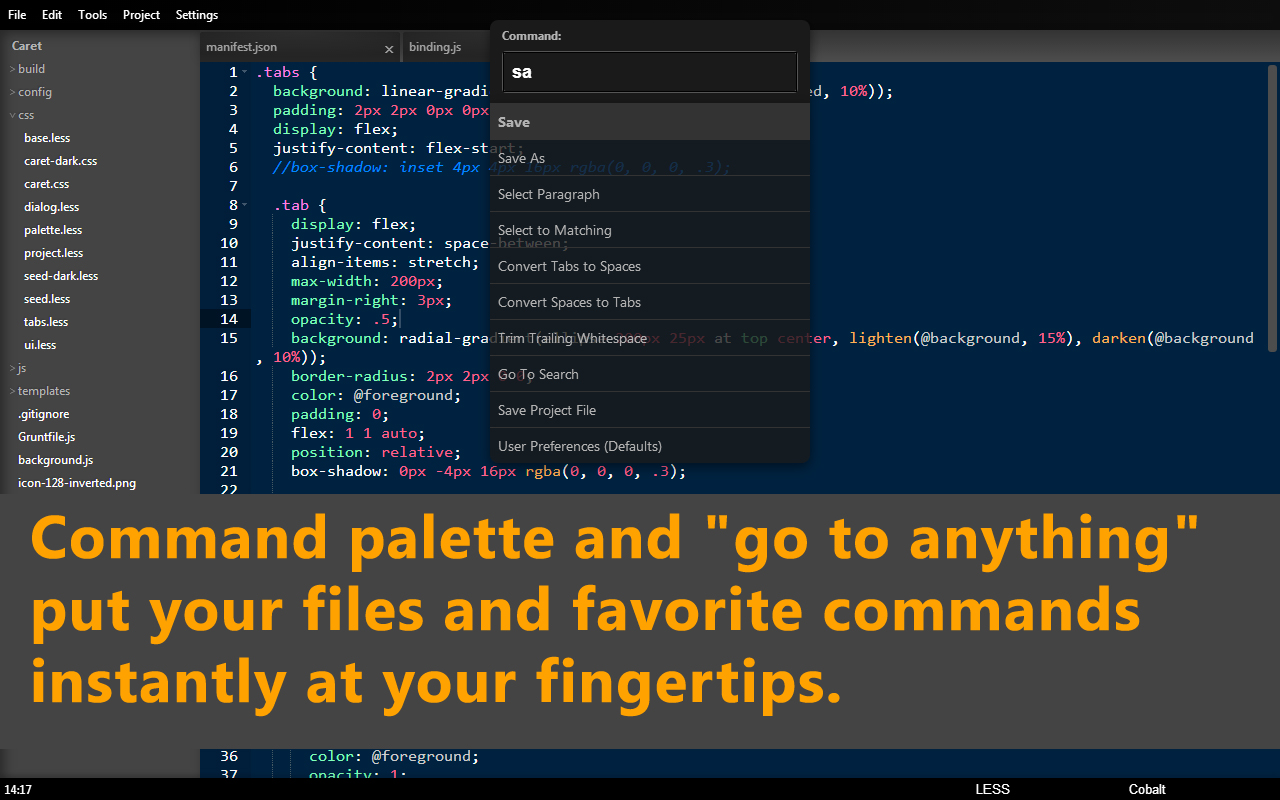
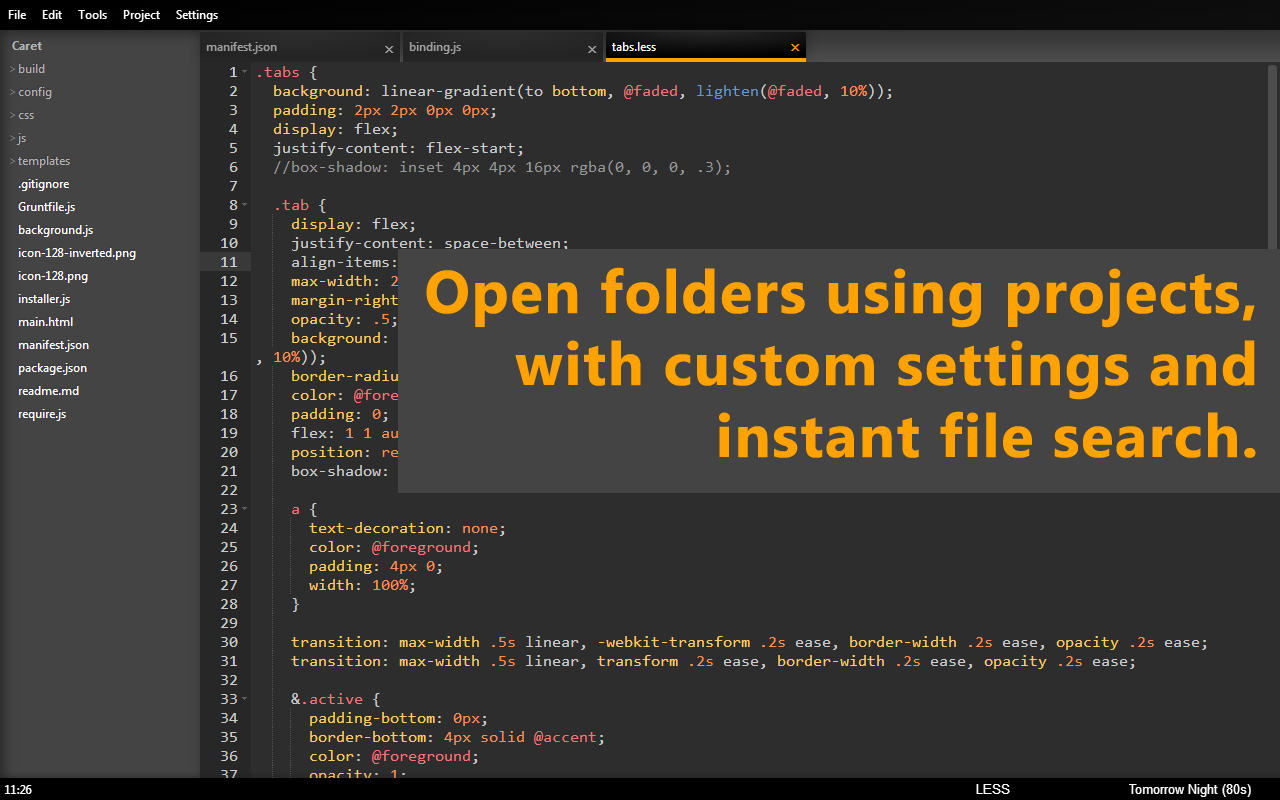
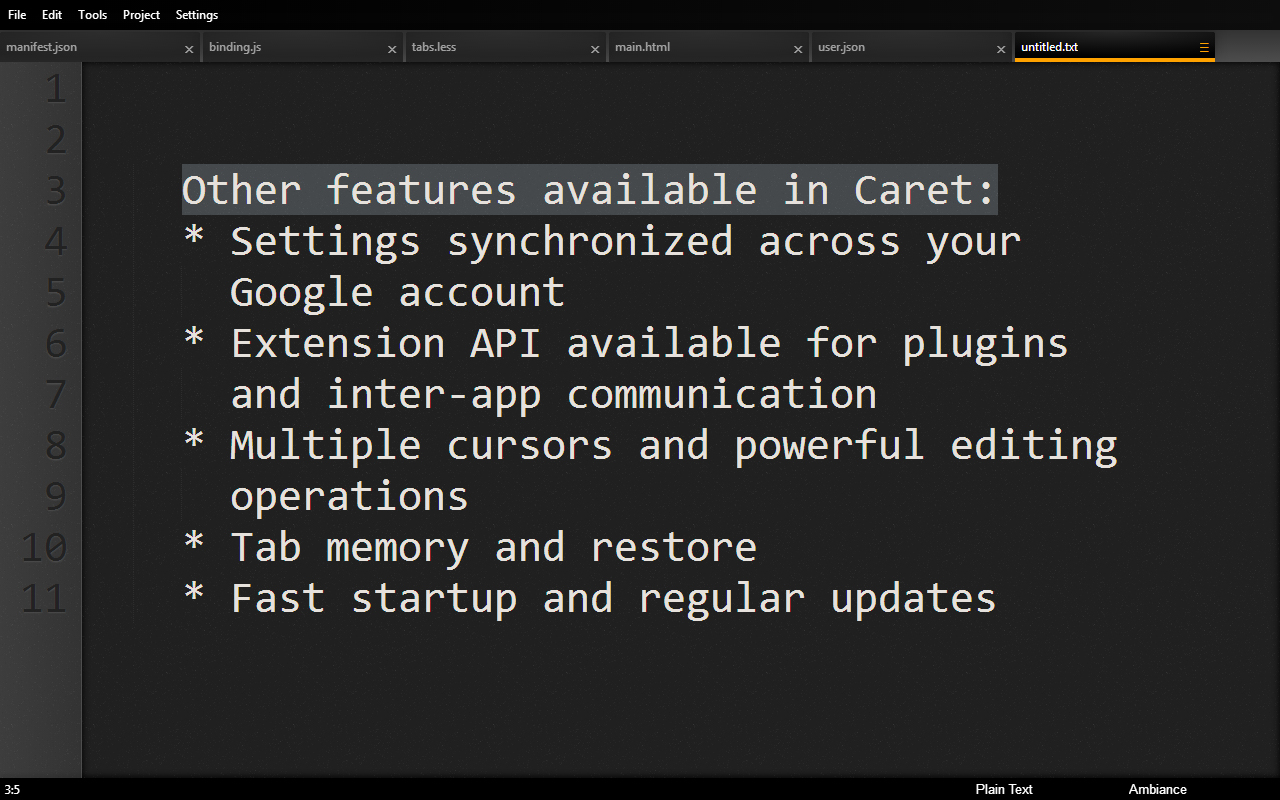
Based on the amazing Ace editing component, Caret brings professional-strength text editing to Chrome OS. With Caret, you no longer need to install a second OS to get what other platforms take for granted: a serious editor for local files, aimed at working programmers.
Moreover, the Index acts as a form of meta-narrative, breaking the fourth wall by directly addressing the player and blurring the line between reality and the world of the game. This technique creates a sense of intimacy and immediacy, drawing the player into the narrative and making the experience more immersive and unsettling.
The Index of Silent Hill first appears in Silent Hill 2 (2001), where it is presented as a mysterious catalog of books, seemingly belonging to a library that does not exist in the physical world of the game. The index lists titles that are metaphorically related to the protagonist's journey, such as "The Other" and "The Reverse Will." These titles hint at the psychological exploration that the protagonist, James Sunderland, undergoes as he confronts his guilt and grief over the loss of his wife.
The Index of Silent Hill serves as a symbolic representation of the protagonists' inner turmoil and their confrontation with the dark aspects of their psyche. The titles listed in the Index are not merely random book titles but are, in fact, reflective of the protagonists' deepest fears, desires, and unresolved conflicts. By navigating the Index, players gain insight into the psychological state of the protagonists and the themes that the game aims to explore. index of silent hill updated
The Silent Hill series, a cornerstone of survival horror gaming, has captivated audiences with its eerie atmosphere, grotesque monsters, and deeply psychological storytelling. One of the most intriguing elements of the series is the Index of Silent Hill, a mysterious catalog that appears in various forms throughout the games. This index not only serves as a narrative device but also reflects the psychological state of the protagonists and the series' exploration of trauma, grief, and the human psyche. This essay will provide an updated analysis of the Index of Silent Hill, examining its role in the series and its implications for our understanding of psychological horror.
An updated analysis of the Index of Silent Hill reveals a deeper exploration of trauma and grief, themes that are central to the series. The Index can be seen as a tool for the protagonists to process their traumatic experiences and confront their inner demons. The titles listed in the Index often allude to the fragmented nature of memory and the way trauma can distort one's perception of reality. Moreover, the Index acts as a form of
In subsequent games, the Index evolves, reflecting the changing themes and psychological states of the protagonists. For example, in Silent Hill 4: The Room (2004), the Index takes on a more sinister tone, mirroring the protagonist's fear and isolation. The Index also appears in Silent Hill: Origins (2007) and Silent Hill: Homecoming (2008), each time offering insights into the protagonists' psychological struggles and the dark histories of Silent Hill.
In recent games, such as Silent Hill: P.T. (2014) and the upcoming Silent Hill reboot, the Index continues to evolve, reflecting a more nuanced understanding of psychological trauma and its long-term effects. The use of virtual reality in P.T. , for example, allowed for a more immersive exploration of fear and anxiety, with the Index serving as a constant reminder of the protagonist's fragile psychological state. The index lists titles that are metaphorically related
The Index of Silent Hill remains a powerful and enigmatic element of the series, offering insights into the psychological state of the protagonists and the themes of trauma, grief, and psychological horror. Through its evolution across various games, the Index has become a symbol of the series' commitment to exploring the complexities of the human psyche. As the series continues to evolve, the Index will undoubtedly remain a crucial narrative device, providing players with a deeper understanding of the psychological impact of silence and the horrors that lurk within. Ultimately, the Index of Silent Hill serves as a reminder that, in the world of horror, the most terrifying monsters are those that reside within our own minds.
If you're running Chrome, you can install Caret directly from the Chrome Web Store. You don't need to be logged into a Google account, but some features (like synchronized settings) won't work unless you are.
If you're a little paranoid about installing code from a walled garden (and who could blame you?), or you want to run the very latest version, you can also install Caret directly from this website by saving this file and dragging it onto your Extensions page in Chrome. You'll still get automatic updates on the "beta channel" this way. You can also clone the repo and install it as an "unpacked extension" from the Chrome extensions page, but then you'll have to remember to update on your own.
Like all good developer tools, Caret is 100% open-source under the GPLv2. Visit the GitHub repository to view the code, file bugs, or contribute yourself. Any help is welcome and much appreciated! You can also report bugs via the store support page.
The best way to ensure privacy is not to gather your information in the first place. I have no experience (or interest, honestly) in managing user data, so there is no tracking code built into Caret, and it never sends any of your information over the network. In fact, Caret requests no network access permissions from Chrome, so it's incapable of communicating beyond your local machine even if I wanted it to.
Caret does use Chrome APIs for synchronizing your settings between computers and checking for updates. Synchronized storage is linked to your Google account, encrypted according to your Chrome settings, and does not provide any personally-identifiable information when used. None of that information ever gets back to me.
Caret is written by Thomas Wilburn, with a little help from open-source contributors.
Ace is a project of Cloud9 and Mozilla.
Chrome, of course, is a product of Google through the Chromium Project.