
Imagine a tiny translator living between your camera sensor and the rest of the computer: it speaks the raw, electrical dialect of pixels and timing, and it translates that chatter into well-formed images the operating system and applications can understand. That translator is the camera driver. When the device in question is a GPlus camera module—the kind often found in embedded boards, single-board computers, and custom hardware—the driver’s role becomes simultaneously mundane and magical: mundane because it handles low-level configuration and data transport; magical because it animates silicon into vision.
This exposition explores what a GPlus camera driver is, why it matters, how it’s built and maintained, and what makes it interesting to engineers, hobbyists, and anyone curious about how cameras actually work. gplus camera driver
You may find Windows Command Prompt at the following path:
To run Windows Command Prompt as an administrator:
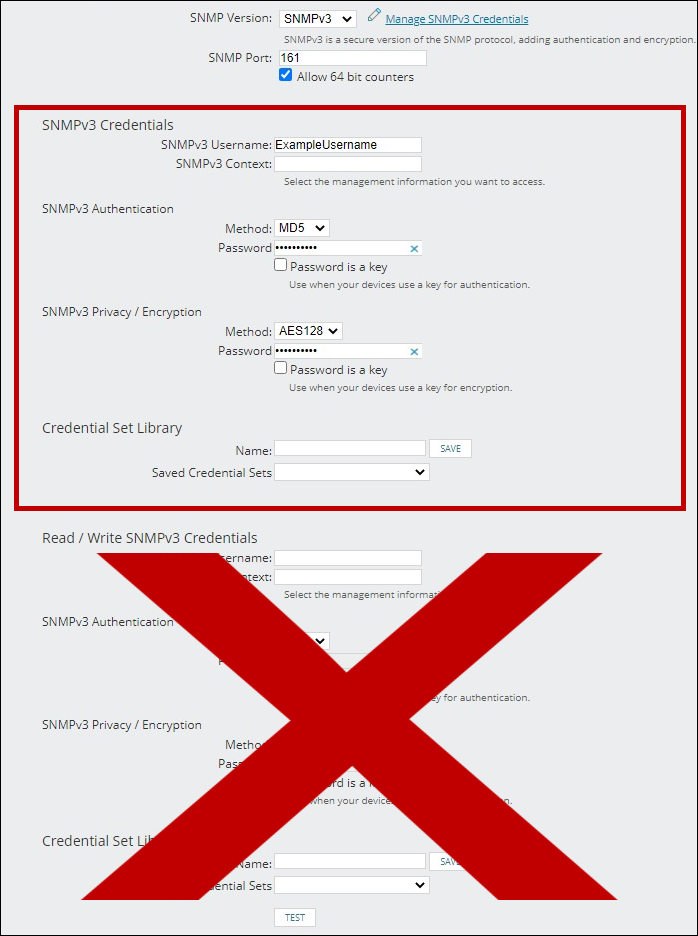
If you are using this client, you should configure the general SNMPv3 Credentials, but leave the Read / Write SNMPv3 Credentials section blank.

| Current S models | Current E models |
|---|---|
| Room Alert 32S | Room Alert 32E |
| Room Alert 12S | Room Alert 12E |
| Room Alert 3S | Room Alert 4E |
| Room Alert 3E | |
| S models | E & W models |
|---|---|
| Room Alert 32S | Room Alert 32E |
| Room Alert 12S | Room Alert 12E |
| Room Alert 3S | Room Alert 4E |
| Room Alert 3E | |
| Room Alert 3W |
| Model |
|---|
| Room Alert MAX |
| Room Alert 32S |
| Room Alert 12S |
| Room Alert 3S |
| Room Alert 32E/W |
| Room Alert 12E |
| Room Alert 4E |
| Room Alert 3E |
| Room Alert 3 Wi-Fi |